
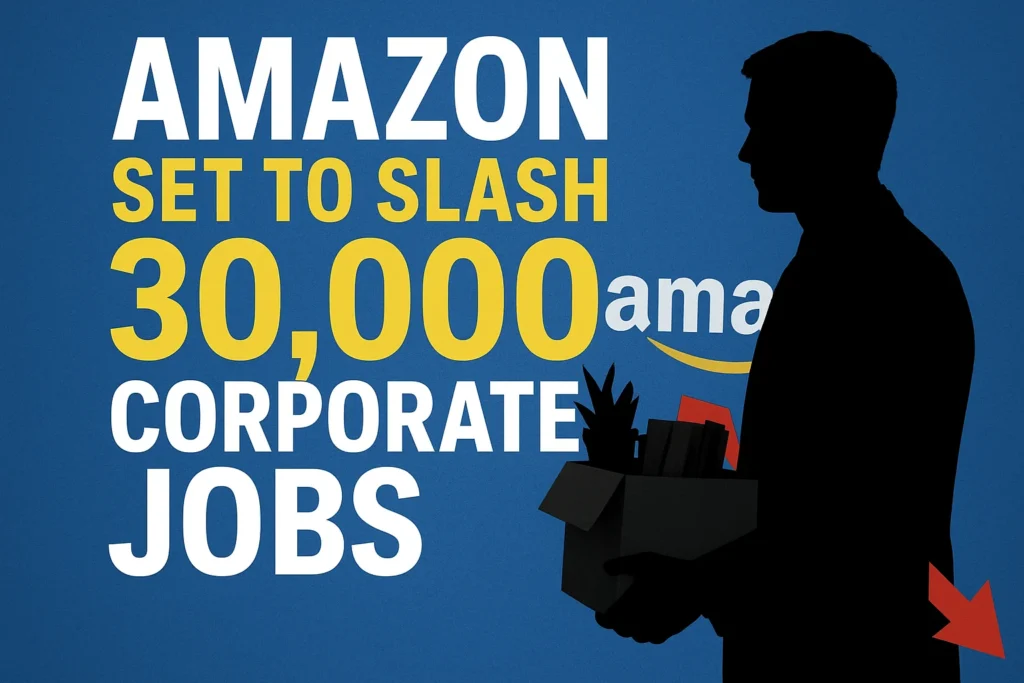
Amazon is making headlines with its plan to slash 30,000 corporate jobs in its largest Amazon layoff since 2022, sending shockwaves across the tech industry and raising questions about the future of work at tech giants. The move, now underway, marks a significant moment for Amazon and reflects broader shifts reshaping the global corporate landscape.
Unpacking Amazon Layoffs: What’s Driving the Cuts?
The announcement to cut 30,000 corporate positions—almost 10% of Amazon’s corporate workforce—stems from a multi-pronged effort to pare down expenses and recalibrate after aggressive hiring during the pandemic boom. CEO Andy Jassy attributes the need for Amazon layoffs to overhiring in recent years and a push to increase corporate efficiency by trimming bureaucracy and flattening the organization.
Cost reductions across divisions such as human resources, operations, devices, services, and Amazon Web Services (AWS) are at the heart of this restructuring. The layoffs come after several smaller rounds in the past two years but represent the company’s largest workforce reduction since it cut 27,000 jobs starting in late 2022.
The Role of AI and Automation
A key theme underlying these Amazon layoffs is the rapid adoption of artificial intelligence within the company. Jassy has openly stated that increased use of AI and automation is making some roles redundant, particularly by automating routine tasks. Analysts note this trend as a major factor behind the large-scale reduction in force, with AI-driven productivity gains helping Amazon operate efficiently even with a smaller headcount.
In June, Jassy mentioned that further reductions were likely as AI tools take over more activities previously handled by humans—a signal the latest layoffs could be just one part of Amazon’s evolving workforce strategy.
Divisions and Employees Impacted
These Amazon layoffs are expected to impact a range of corporate units, including the human resources division known internally as People Experience and Technology (PXT), as well as teams in operations, devices, and services, and AWS. Reports suggest that as much as 15% of HR staff could be let go, and that employees who are not meeting return-to-office requirements may be terminated without severance.
In preparation, managers of affected divisions received special training on how to communicate the decision to employees, and layoff notifications are being rolled out primarily through email this week.
Industry Context and Amazon’s Future
Despite this major wave of Amazon layoffs, the company’s physical operations and customer-facing business lines remain robust. Amazon expects a strong holiday season, with plans to hire 250,000 seasonal warehouse workers—mirroring numbers from recent years.
The tech giant is not alone in downsizing: The tech sector overall has seen about 98,000 job cuts in 2025 alone, with several big firms like Microsoft, Meta, Google, and Salesforce having announced significant reductions. However, Amazon layoffs stand out for their scale and for targeting corporate, rather than warehouse, roles.
Looking Ahead
With Amazon shares up and the company expecting strong sales, these layoffs are not signs of a struggling business, but rather of a company recalibrating for efficiency in the post-pandemic era. For Amazon, the pivot to automation and AI is reshaping not just its operations but the broader norms of tech employment. The impact of these Amazon layoffs will be closely watched as both a signal of industry trends and a test of how companies adapt to technological change.
Read Other Blog Posts- Click Here
- Monalisa Bhosle Defends Interfaith Marriage, Rejects ‘Love Jihad’ Claims
- Kritika Kamra and Gaurav Kapur’s Wedding: A Beautiful, Intimate Celebration with Friends and Stars
- Thanksgiving 2025 – Celebrating Togetherness & Blessings
- Tata Motors Demerger Commercial Vehicles Business – Share Listed
- Bihar Elections Exit Polls 2025: Trends, Predictions & Implications